Uncategorized

massage therapy, foot reflexology

Massage Therapy and Diabetes

A Soothing Path to Better Health


Diabetes is a chronic condition affecting millions worldwide, bringing with it a host of challenges that impact daily life and long-term health. From managing blood sugar levels to preventing serious complications, living with diabetes often requires a comprehensive approach to care. While traditional medical treatments are foundational, many are now exploring complementary therapies to enhance well-being and alleviate symptoms. Among these, massage therapy is emerging as a gentle yet powerful tool that could offer significant relief and support for individuals navigating the complexities of diabetes.

Understanding diabetes is the first step toward managing it effectively. Both Type 1 and Type 2 diabetes involve issues with insulin production or utilization, leading to elevated blood glucose levels. Over time, persistently high blood sugar can damage nerves (neuropathy), impair circulation (peripheral artery disease), increase inflammation, and elevate stress levels. These issues often manifest as pain, numbness, tingling, slow wound healing, and a general decline in quality of life. The constant vigilance required for blood sugar monitoring, medication management, and lifestyle adjustments can also contribute to significant emotional and psychological stress, further exacerbating physical symptoms.

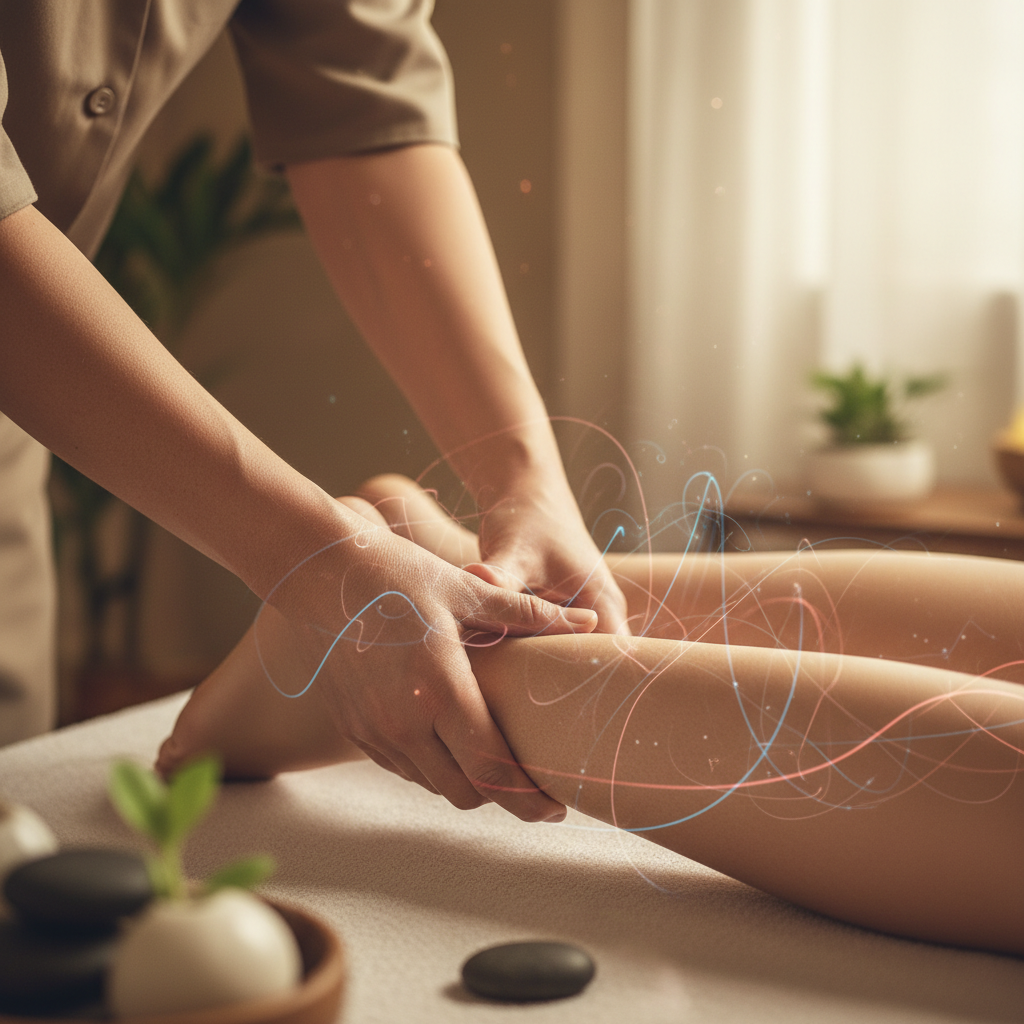
Massage therapy, far from being just a luxurious treat, offers a range of physiological benefits that can directly address several common diabetes-related issues. Regular massage can significantly improve blood circulation, which is crucial for individuals with diabetes who often experience poor blood flow, particularly in the extremities. Enhanced circulation delivers more oxygen and nutrients to tissues, aiding in nerve health and potentially reducing symptoms of neuropathy like numbness and tingling. Moreover, massage is a potent stress reliever. The gentle pressure and rhythmic movements trigger the parasympathetic nervous system, promoting relaxation and reducing the production of stress hormones like cortisol. Lower stress levels can indirectly help with blood sugar management, as stress can cause blood glucose spikes. By promoting overall relaxation and reducing muscle tension, massage can also alleviate chronic pain often associated with diabetic complications, fostering a greater sense of comfort and well-being.

Incorporating massage therapy into a diabetes management plan can offer a holistic approach to improving daily life. Beyond physical benefits, the therapeutic touch involved in massage can provide emotional comfort, reducing feelings of anxiety and depression often linked with chronic illness. Improved circulation and reduced stress can collectively contribute to better sleep quality, a vital component for overall health and effective diabetes management. While massage therapy is not a cure for diabetes, it serves as an excellent complementary treatment, working alongside medical care to mitigate symptoms, enhance physical comfort, and improve the psychological outlook for those living with the condition. It’s a gentle reminder that caring for your body extends beyond medication, embracing practices that promote both physical relief and mental tranquility.

Balance your blood sugar, naturally.

Natural therapy for diabetes focuses on restoring balance through lifestyle, nutrition, and holistic care. By combining mindful practices, herbal support, and gentle therapies, individuals can manage blood sugar levels while improving overall well-being. Unlike quick fixes, natural approaches emphasize long-term health—encouraging mindful eating, stress reduction, and physical activity that nurture both body and mind. This integrative path empowers people to take charge of their health, complementing medical guidance with nature’s healing touch.

Sciatica Relief, Naturally..

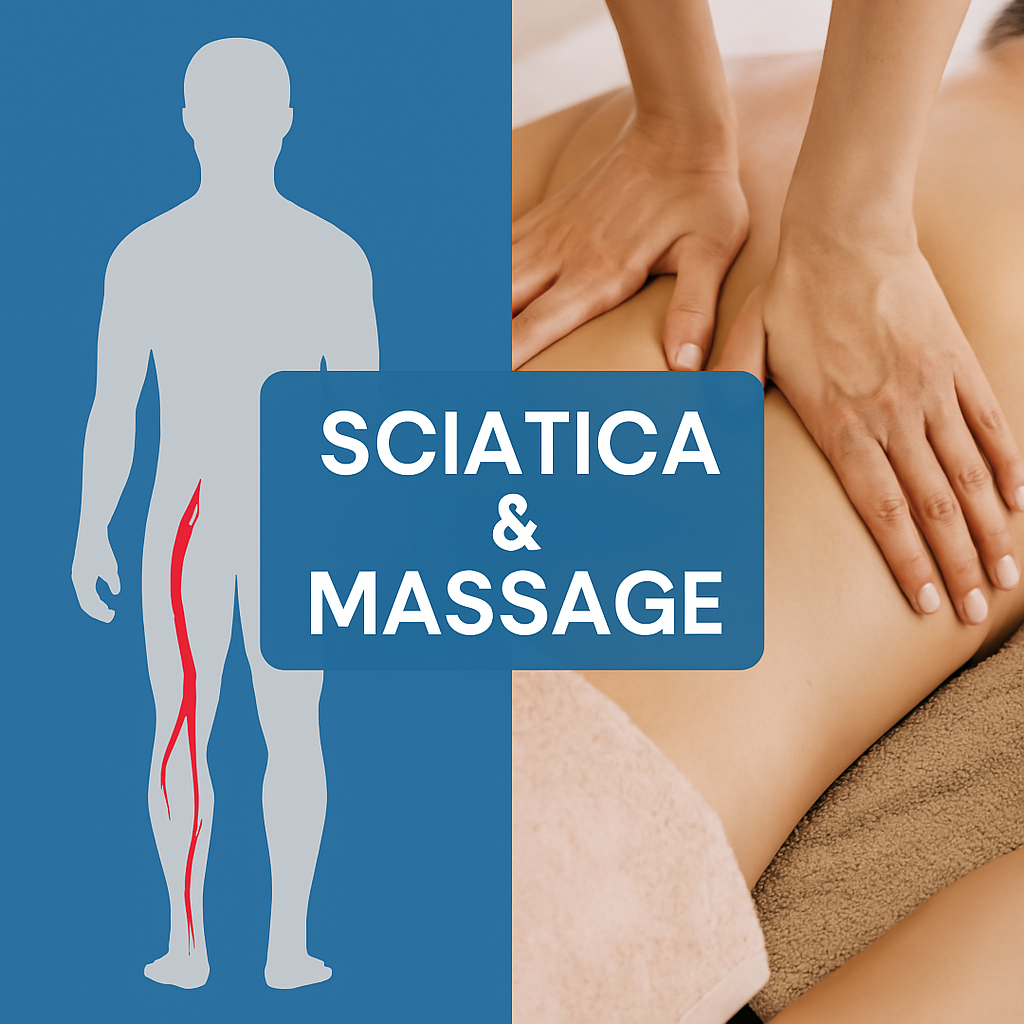
Sciatica refers to pain that radiates along the path of the sciatic nerve, which runs from the lower back through the hips and buttocks and down each leg. This discomfort is typically caused by compression or inflammation of the nerve, often due to a herniated disc, spinal stenosis (narrowing of the spinal canal), or tight muscles like the piriformis pressing on the nerve. Symptoms may include sharp pain, tingling, numbness, or weakness in the leg, and it can significantly impact daily activities like walking or sitting.

Massage Therapy as a Remedy

Massage therapy is a gentle yet effective way to relieve sciatica symptoms. Techniques like deep tissue massage, trigger point therapy, and myofascial release help reduce muscle tension, improve circulation, and ease pressure on the sciatic nerve. While massage may not cure the underlying cause, it can provide substantial relief, especially when combined with stretching and posture correction. Many therapists recommend massage as a first-line remedy before considering more invasive treatments like steroid injections or surgery.

Natural Healing

“The Art of Healing: How Natural Therapies Restore Body & Mind”

Natural therapies and massage treatments offer a holistic path to healing, combining ancient wisdom with modern wellness.

Techniques like Abhyanga, a full-body Ayurvedic massage using warm herbal oils, are designed to balance the body’s energies, improve circulation, and detoxify the system. These therapies not only relieve muscle tension and joint pain but also nourish the skin and calm the nervous system, promoting deep relaxation and emotional well-being.

Whether you’re seeking relief from chronic pain, stress, or simply craving a moment of peace, natural therapies provide a gentle yet powerful way to restore harmony between body and mind.

Shoulder Pain & Massage Therapy: A Natural Path to Relief

Shoulder pain can stem from various causes—poor posture, repetitive strain, stress, or underlying musculoskeletal issues. Left untreated, it can limit mobility, disrupt sleep, and affect overall well-being. Massage therapy offers a holistic, drug-free approach to managing shoulder discomfort. By targeting muscle tension, improving blood flow, and releasing trigger points, therapeutic massage not only reduces pain but also restores flexibility and function. It’s a gentle yet powerful way to support healing, especially when integrated into a broader wellness plan.
✨ Key Benefits of Massage Therapy for Shoulder Pain:

  • Relieves muscle tension in the neck, shoulders, and upper back
  • Improves circulation, aiding tissue repair and reducing inflammation
  • Releases trigger points that cause referred pain and stiffness
  • Enhances range of motion and joint flexibility
  • Promotes relaxation, reducing stress-related muscle tightness
  • Supports long-term recovery when combined with posture correction and stretching
Scroll to Top