Uncategorized

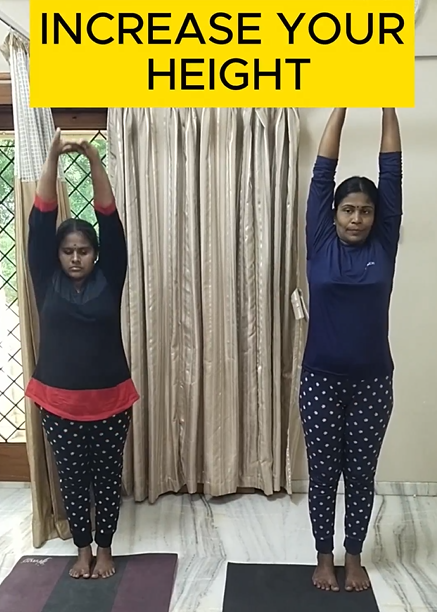
Tips to Increase Your Height


Height is often considered an essential aspect of one’s physical appearance, and many individuals seek ways to increase their height, especially during their growth years. While genetics play a significant role in determining your ultimate height, there are certain lifestyle changes and habits you can adopt to maximize your growth potential. In this blog, we will explore some tips and strategies that can help you increase your height naturally and promote overall well-being.
Balanced Diet
A well-balanced diet is crucial for healthy growth. Make sure your meals include a variety of nutrients, such as vitamins, minerals, proteins, and calcium. These nutrients are essential for bone health and can aid in promoting growth.
Calcium: Dairy products like milk, yogurt, and cheese are rich sources of calcium, which is vital for strong bones.
Protein: Include lean sources of protein like chicken, fish, beans, and legumes to support tissue growth and repair.
Vitamins: Vitamins like A, D, and C are important for bone health. Incorporate fruits and vegetables into your diet for a well-rounded vitamin intake.
Minerals: Minerals like zinc, magnesium, and phosphorus are essential for bone development. Foods like nuts, seeds, and whole grains can provide these nutrients.
Regular Exercise
Exercise is crucial for maintaining good health and promoting growth. Engaging in physical activities that involve stretching, flexibility, and resistance training can help improve posture and stimulate growth.
Stretching Exercises: Incorporate stretching exercises like yoga or Pilates into your routine to improve posture and increase your height potential.
Swimming: Swimming is a great full-body workout that promotes growth by stretching and strengthening the spine.
Resistance Training: Activities like weight lifting can stimulate the production of growth hormone in the body, aiding in growth.
Proper Sleep
Quality sleep is essential for growth as the body releases growth hormone during deep sleep cycles. Aim for at least 7-9 hours of uninterrupted sleep each night to maximize growth potential.
Maintain Proper Posture
Poor posture can make you appear shorter than you actually are. Practice good posture by sitting and standing up straight, aligning your spine correctly. Regular posture exercises can help you maintain an upright stance.
Hydration
Staying well-hydrated is essential for overall health and can support proper bone and cartilage development. Drink plenty of water throughout the day to keep your body functioning optimally.
Avoid Growth-Stunting Habits
Certain habits can hinder growth and should be avoided:
Smoking: Smoking can reduce bone density and stunt growth.
Alcohol: Excessive alcohol consumption can interfere with bone health and growth.
Caffeine: High caffeine intake may interfere with calcium absorption.
Consult a Healthcare Professional
If you are concerned about your height or growth potential, it’s advisable to consult a healthcare professional. They can evaluate your growth plates and provide guidance based on your unique circumstances.

While genetics largely determine your height, adopting a healthy lifestyle, including a balanced diet, regular exercise, proper sleep, and good posture, can help you reach your maximum growth potential. Remember that growth takes time, and patience is key. Focus on overall health and well-being, and your height will naturally follow suit. Always consult with a healthcare professional if you have concerns about your growth.

Build Your Relationship By Doing These Exercise

Building strong relationships, whether personal or professional, requires effort, communication, and trust. Here are some relationship-building exercises and activities that can help strengthen your connections with others:
Active Listening Practice: Engage in active listening exercises where you and a partner take turns sharing your thoughts and feelings while the other person listens attentively. This helps improve communication and empathy.
Trust-Building Games: Trust falls, trust circles, or blindfolded partner activities can be fun and effective for building trust in a group setting.
Team-Building Activities: Participate in team-building exercises like problem-solving challenges, obstacle courses, or group games to enhance collaboration and teamwork.
Gratitude Journaling: Keep a gratitude journal and regularly write down things you appreciate about the people in your life. Share these thoughts with them to strengthen your bonds.
Conflict Resolution Practice: Practice resolving conflicts through role-playing scenarios or open discussions. This can help improve your conflict resolution skills and reduce misunderstandings.
Communication Workshops: Attend communication workshops or seminars to learn effective communication techniques, including active listening, assertiveness, and non-verbal communication.
Networking Events: Attend networking events or join clubs and organizations related to your interests or profession to meet new people and expand your social and professional circles.
Volunteer Together: Volunteering as a team or with friends can create a sense of purpose and strengthen your relationships through shared experiences.
Mindfulness Meditation: Practice mindfulness meditation individually or with a partner to improve self-awareness and emotional regulation, which can positively impact your relationships.
Personality Assessments: Take personality assessments such as the Myers-Briggs Type Indicator (MBTI) or the Enneagram test together to better understand each other’s personalities and preferences.
Travel Together: Traveling with someone can be an excellent way to bond, as it involves shared experiences, problem-solving, and adapting to new situations.
Random Acts of Kindness: Surprise your friends or colleagues with small acts of kindness, like bringing them coffee or leaving encouraging notes. These gestures can create a positive atmosphere.
Family Game Nights: Organize regular family game nights or gatherings where you can play board games, card games, or other group activities.
Conflict Resolution Circles: Use structured conflict resolution circles, where participants sit in a circle and discuss issues calmly and respectfully.
Appreciation Circles: Gather in a group and take turns expressing appreciation for each other’s qualities or actions. This fosters a sense of belonging and affirmation.
Relationship Workshops: Attend workshops or seminars specifically designed to improve relationship skills, whether it’s for couples, friends, or colleagues.
Peer Support Groups: Join or create peer support groups where individuals can discuss common challenges and offer support and advice to each other.
Online Courses: Enroll in online courses or webinars focused on relationship-building, communication, or interpersonal skills.
Remember that building strong relationships is an ongoing process that requires time, effort, and genuine care for the people involved. Be patient and open to growth, and continue to invest in the connections that matter most to you.

Quick & Effective Belly Fat-Busting Asana

Yoga can be an effective way to reduce belly fat when combined with a balanced diet and regular exercise. Here are some yoga asanas (poses) that can help target your core and promote overall weight loss:

  1. Tadasana (Mountain Pose): This is a simple standing pose that helps improve posture and engage your core muscles.
  2. Utkatasana (Chair Pose): This asana strengthens your core, thighs, and buttocks.
  3. Virabhadrasana II (Warrior II Pose): It engages your core, tones the abdominal muscles, and stretches the hips and thighs.
  4. Navasana (Boat Pose): Boat pose is excellent for strengthening the abdominal muscles.
  5. Bhujangasana (Cobra Pose): This backbend helps in strengthening the back muscles and toning the abdomen.
  6. Dhanurasana (Bow Pose): Bow pose is another backbend that works on your core muscles.
  7. Pavanamuktasana (Wind-Relieving Pose): This pose aids in digestion and can help reduce bloating.
  8. Surya Namaskar (Sun Salutation): This is a series of twelve yoga poses that provide an excellent overall body workout, including the core.
  9. Ardha Matsyendrasana (Half Lord of the Fishes Pose): This twist massages the abdominal organs and can aid in digestion.
  10. Adho Mukha Svanasana (Downward-Facing Dog Pose): While not directly a core pose, it helps in overall body strength and flexibility.

relaxation therapy

Quick & Effective Weight Loss Workouts

Quick and effective weight loss workouts can help you burn calories and improve your overall fitness. Remember, consistency is key when it comes to weight loss. Here’s a simple yet efficient workout routine that combines both cardiovascular exercises and strength training. Make sure to warm up before starting any workout and cool down afterward.

Workout Plan:

1. High-Intensity Interval Training (HIIT):

  • HIIT involves short bursts of intense exercise followed by brief periods of rest or low-intensity activity. This type of workout is known for its calorie-burning potential and efficiency.Sample HIIT Routine:
    • Jumping jacks: 30 seconds
    • Burpees: 30 seconds
    • Mountain climbers: 30 seconds
    • Rest: 15 seconds
    • Repeat the circuit 3-4 times.

2. Strength Training:

  • Building lean muscle mass can help boost your metabolism and aid in weight loss. Use your body weight or dumbbells for resistance.Sample Strength Routine:
    • Bodyweight squats: 3 sets of 15 reps
    • Push-ups: 3 sets of 10 reps
    • Lunges: 3 sets of 12 reps (each leg)
    • Plank: Hold for 30-60 seconds
    • Dumbbell rows: 3 sets of 12 reps (use dumbbells or household objects)

3. Cardiovascular Exercise:

  • Continuous moderate-intensity cardio helps burn calories and improve your cardiovascular fitness.Sample Cardio Routine:
    • Brisk walking, jogging, or cycling: 20-30 minutes

4. Core Exercises:

  • Strengthening your core can improve posture and stability.Sample Core Routine:
    • Bicycle crunches: 3 sets of 20 reps (10 each side)
    • Leg raises: 3 sets of 12 reps
    • Russian twists: 3 sets of 15 reps (use a weight or household object)

5. Flexibility and Stretching:

  • Don’t forget to include stretching to improve flexibility and prevent injuries.Sample Stretching:
    • Hamstring stretch
    • Quadriceps stretch
    • Triceps stretch
    • Shoulder stretch

Tips:

  • Aim to do this workout routine 3-5 times per week.
  • Stay hydrated throughout your workout.
  • Prioritize proper form to prevent injuries.
  • Combine your workouts with a balanced and healthy diet for optimal results.
  • Consider consulting a fitness professional, especially if you’re new to exercise or have any health concerns.

Remember that individual results may vary, and it’s essential to find a routine that works for your fitness level and goals. It’s also a good idea to consult with a healthcare provider before starting a new exercise program, especially if you have any underlying health conditions.

The Remarkable Benefits of Hearing Reflexology for Elderly Individuals: Alleviating Tinnitus, Enhancing Hearing, and Activating the Brain

As we age, our bodies go through numerous changes, and our sense organs are no exception. Hearing loss is a common issue faced by many elderly individuals, often accompanied by conditions such as tinnitus, which can significantly impact their quality of life. While traditional treatments and hearing aids can be helpful, an alternative approach gaining recognition for its potential benefits is hearing reflexology. In this blog, we will explore how hearing reflexology can assist elderly people by alleviating tinnitus, improving hearing, and activating the brain.
Understanding Hearing Reflexology
Reflexology, also known as zone therapy, is an ancient practice rooted in traditional Chinese medicine. It involves the application of pressure on specific points on the feet, hands, or ears, which are believed to correspond to various organs and systems within the body. Hearing reflexology, a specialized form of ear reflexology focuses on stimulating specific points in the ears associated with hearing and auditory functions.
Alleviating Tinnitus
Tinnitus is the perception of ringing, buzzing, or hissing sounds in the ears without any external source. It can be a distressing condition that affects the elderly population. Hearing reflexology aims to address tinnitus by improving blood circulation, reducing tension, and promoting relaxation. By targeting the ear’s reflex points, the treatment can help alleviate the symptoms of tinnitus and create a sense of relief.
Improving Hearing
Age-related hearing loss, known as presbycusis, is a prevalent issue among older individuals. Hearing reflexology’s underlying principle is that stimulating specific points in the ears can enhance blood flow to the auditory system and strengthen the auditory nerve pathways. Improved circulation and nerve function may lead to better hearing and auditory perception, providing elderly people with a renewed sense of sound.
Activating the Brain
The brain plays a crucial role in processing auditory signals and translating them into meaningful sounds. Hearing reflexology not only targets the ear’s reflex points but also stimulates corresponding areas in the brain. This stimulation can potentially enhance brain activity, particularly in regions associated with auditory processing. As a result, this approach may help sharpen cognitive functions related to hearing and promote overall brain health in elderly individuals.
Benefits of Hearing Reflexology for Elderly Individuals
a. Non-Invasive and Drug-Free: Hearing reflexology is a non-invasive and drug-free therapy, making it a safe option for elderly individuals who may have concerns about medication interactions or adverse effects.
b. Holistic Approach: This alternative therapy takes a holistic approach to address hearing-related issues, targeting not only the symptoms but also the underlying causes of hearing problems.
c. Improved Well-being: By alleviating tinnitus and improving hearing, elderly individuals can experience a significant improvement in their overall well-being, social interactions, and emotional state.
d. Natural Relaxation: Hearing reflexology sessions offer a relaxing experience that reduces stress and anxiety, benefiting both the body and mind.
Hearing reflexology holds promise as a complementary approach to support elderly individuals with hearing issues. While it may not be a replacement for medical treatments or hearing aids, it can be a valuable addition to an elderly person’s overall wellness routine. As with any alternative therapy, it is essential to consult a qualified practitioner before starting hearing reflexology sessions, especially for individuals with existing medical conditions. By embracing the potential benefits of hearing reflexology, elderly individuals can take proactive steps to improve their hearing, alleviate tinnitus, and activate their brain for a more fulfilling and enriched life.
Scroll to Top