
clinicsup

How to Choose Real Food: 3 Simple Rules for Healthy Eating

How to Choose Real Food: 3 Simple Rules for Healthy Eating

In today’s world, where grocery store aisles are packed with products claiming to be “healthy,” it can be difficult to distinguish between real, nourishing food and the overly processed, fake alternatives. Food should fuel your body and mind, yet many of the options marketed as “convenient” or “low-fat” come loaded with additives, preservatives, and artificial ingredients. So, how do we cut through the noise and get back to basics?

The answer is simple: prioritize real food. Here are three simple rules to guide you in choosing what’s real and what’s fake, helping you make better choices for your health and well-being.


1. Minimal Ingredients: If You Can’t Pronounce It, Don’t Eat It

One of the easiest ways to identify real food is by checking the ingredients list. Real food tends to have very few ingredients, and they’re usually things you recognize—like “tomatoes,” “spinach,” or “whole oats.” Fake or heavily processed food, on the other hand, often contains a laundry list of hard-to-pronounce chemicals, additives, and preservatives.

If you’re looking at a product and it has ingredients you don’t understand or can’t pronounce, it’s likely a red flag. Real food doesn’t need a long list of ingredients or artificial flavors to taste good. By keeping your food simple and natural, you’ll be doing your body a favor by avoiding unnecessary chemicals and additives.

Example:

  • Real Food: Almonds (ingredient: almonds).
  • Fake Food: Flavored snack almonds (ingredients: almonds, maltodextrin, sugar, artificial flavor, color additives).

2. Whole & Unprocessed: Stick Close to Nature

Another key to choosing real food is to favor whole, unprocessed options. Real food comes straight from nature—fruits, vegetables, whole grains, nuts, seeds, and lean proteins. It’s food that hasn’t been altered from its original form. Processed foods, by contrast, have been manipulated, often removing important nutrients and adding unhealthy fats, sugars, and chemicals in the process.

Whole, unprocessed foods are packed with vitamins, minerals, and other nutrients that your body needs to thrive. They are more filling, energizing, and nourishing than their processed counterparts. Eating whole foods can improve your overall health, reduce your risk of chronic disease, and even boost your mental clarity.

Example:

  • Real Food: Fresh spinach, whole quinoa, raw almonds.
  • Fake Food: Spinach dip (loaded with preservatives and fats), quinoa snack bars (filled with sugar and artificial ingredients), flavored almonds (coated with sugar or additives).

3. Freshness Over Shelf Life: Real Food Spoils, Fake Food Lasts Forever

Here’s a good rule of thumb: if it can sit on a shelf for months without spoiling, it’s probably fake. Real food is perishable because it doesn’t contain the preservatives that extend the life of processed foods. That’s why fresh fruits and vegetables, lean meats, and dairy products need to be stored in the fridge and consumed within a few days.

Processed, fake foods are often loaded with preservatives, chemicals, and artificial ingredients that allow them to last much longer. While this can be convenient, it comes at the cost of nutrition. These foods are often stripped of their natural benefits and replaced with empty calories and unhealthy substances.

When choosing your food, opt for items that are fresh and have a short shelf life. Visit farmers’ markets, choose seasonal produce, and aim to prepare meals with ingredients that are as close to their natural state as possible.

Example:

  • Real Food: Fresh apples (last about 1-2 weeks in the fridge).
  • Fake Food: Pre-packaged apple-flavored snacks (last months on the shelf, filled with sugars and preservatives).

Why Eating Real Food Matters

Eating real food not only supports your physical health but also contributes to mental clarity and emotional well-being. Real, whole foods provide sustained energy, boost your immune system, and reduce inflammation in the body. They help to regulate your blood sugar levels, reduce cravings, and make you feel fuller for longer.

Processed foods, on the other hand, are often high in sugar, unhealthy fats, and refined carbohydrates. These can lead to spikes in blood sugar, which might leave you feeling lethargic, irritable, and hungry soon after eating. Over time, a diet high in processed foods can contribute to weight gain, chronic diseases such as diabetes and heart disease, and even mental health challenges like anxiety and depression.


Simplify Your Diet with Real Food

Choosing real food doesn’t have to be complicated. By sticking to these three simple rules—minimal ingredients, whole and unprocessed, and fresh over shelf life—you can easily incorporate more nutritious, real food into your diet. Not only will this help you stay healthy, but it will also transform your relationship with food, making eating a nourishing, enjoyable experience once again.

So next time you’re at the grocery store, skip the overly processed aisles and head straight for the fresh produce, whole grains, and natural ingredients. Your body will thank you!


Remember: Real food is about quality, not quantity. The simpler and closer to nature, the better. Let’s get back to basics! 🍎🌿 #EatReal #HealthyLiving #RealFoodRealLife
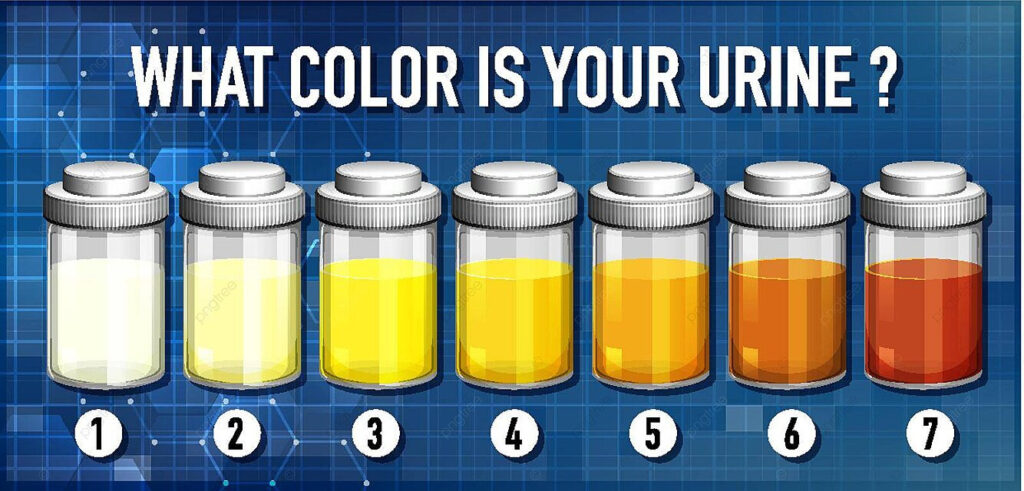
What the Color of Your Urine Says About Your Health

What the Color of Your Urine Says About Your Health

Urine color can be an important indicator of your overall health. While most of us don’t give much thought to the color of our urine, it can provide valuable insights into our body’s hydration levels, diet, and even potential health issues. Here’s what the color of your urine might be telling you:

1. Clear or Pale Yellow

  • What It Means: If your urine is almost clear or a very light yellow, it generally indicates that you are well-hydrated. This is often seen in people who drink a lot of water throughout the day.
  • Health Insight: While being well-hydrated is good, urine that is too clear might suggest you’re drinking more water than necessary. This can dilute essential salts in the body.

2. Bright Yellow or Neon Yellow

  • What It Means: Bright yellow or neon yellow urine can be a result of taking vitamin supplements, particularly B vitamins (like riboflavin or vitamin B2).
  • Health Insight: This color is usually harmless and is simply your body excreting excess vitamins.

3. Dark Yellow or Amber

  • What It Means: Dark yellow or amber-colored urine often indicates dehydration. When your body lacks sufficient water, urine becomes more concentrated with waste products, which deepens its color.
  • Health Insight: Increasing your water intake can help return your urine to a lighter color, indicating better hydration.

4. Orange

  • What It Means: Orange urine can result from certain medications, such as rifampin (an antibiotic) or phenazopyridine (a urinary tract infection pain reliever). It can also indicate dehydration.
  • Health Insight: If you’re not on any medications that could cause this and you notice orange urine, it’s a good idea to drink more water. If it persists, consult a healthcare provider.

5. Red or Pink

  • What It Means: Red or pink urine can be alarming, but it doesn’t always indicate something serious. It could be caused by foods like beets, rhubarb, or blackberries. However, it could also signal blood in the urine (hematuria), which can be a sign of a urinary tract infection, kidney stones, or more serious conditions like bladder or kidney disease.
  • Health Insight: If you haven’t eaten anything that could color your urine red and the color persists, it’s crucial to seek medical attention to rule out any serious conditions.

6. Blue or Green

  • What It Means: Blue or green urine is rare and usually linked to certain medications or food dyes. Some bacterial infections can also cause urine to turn these colors.
  • Health Insight: While unusual, this isn’t typically a cause for concern unless it persists or is accompanied by other symptoms. Consulting a doctor can help determine the cause.

7. Dark Brown or Cola-Colored

  • What It Means: Dark brown urine can be caused by certain medications, such as metronidazole or chloroquine, or by consuming large amounts of fava beans or aloe. It can also be a sign of severe dehydration or a condition affecting the liver or kidneys, such as hepatitis or rhabdomyolysis (muscle breakdown).
  • Health Insight: If your urine is dark brown and you haven’t consumed any foods or medications that could cause it, it’s essential to see a healthcare provider, as this could be a sign of a serious health issue.

8. Cloudy or Murky

  • What It Means: Cloudy urine can indicate a urinary tract infection, kidney stones, or even a condition known as chyluria, where lymphatic fluid leaks into the kidneys.
  • Health Insight: If your urine is persistently cloudy, especially if it’s accompanied by a strong odor or discomfort, you should consult a doctor.

When to See a Doctor

While changes in urine color can be harmless and temporary, persistent or unexplained changes should be evaluated by a healthcare provider. Urine color can be a simple, yet effective, indicator of underlying health issues, and paying attention to it can help you stay ahead of potential problems.

Tips for Maintaining Healthy Urine Color

  • Stay Hydrated: Drink plenty of water throughout the day.
  • Monitor Your Diet: Be aware of foods and drinks that can affect urine color.
  • Know Your Medications: Understand that certain medications can alter urine color.
  • Seek Medical Advice: Don’t ignore persistent changes in urine color, especially if accompanied by other symptoms.

Understanding the color of your urine is a simple but powerful tool for monitoring your health. Next time you notice a change in urine color, consider what it might be telling you about your body.

Is warm water a magic potion for weight loss? 🧐 Let’s bust the myth!

Debunking the Myth: Warm Water and Weight Loss

In the quest for the perfect weight loss solution, many myths and misconceptions have circulated. One such myth that has gained significant traction is the idea that drinking warm water can significantly aid in weight loss. But how much truth is there to this claim? Let’s delve into the science and separate fact from fiction.
The Origins of the Warm Water Myth
The notion that warm water can aid in weight loss likely stems from its role in traditional medicine practices. For centuries, warm water has been recommended for various health benefits, including improving digestion and detoxifying the body. While these benefits are not unfounded, the leap to weight loss is where the myth takes hold.
The Science Behind Hydration and Weight Loss
Hydration is crucial for overall health, and water does play a role in weight management. Drinking water can help to:
Boost Metabolism: Drinking water temporarily boosts metabolism, a phenomenon known as water-induced thermogenesis. However, the effect is modest and not solely responsible for significant weight loss.
Suppress Appetite: Drinking water before meals can help you feel fuller, reducing overall calorie intake. This can be beneficial for weight management, but the temperature of the water (whether warm or cold) does not significantly alter this effect.
Improve Digestion: Warm water can aid in digestion by helping to dissolve and dissipate food particles in the stomach. This can prevent bloating and discomfort, but again, this does not translate directly to weight loss.
Debunking the Myth
While warm water has its benefits, the idea that it can be a standalone solution for weight loss is a misconception. Here are a few reasons why:
Caloric Balance is Key: Weight loss fundamentally comes down to a caloric deficit, meaning you must burn more calories than you consume. Warm water, by itself, does not create this deficit.
Lack of Substantial Evidence: Scientific studies have not shown a direct link between warm water consumption and significant weight loss. Most benefits attributed to water, in general, can be achieved with water at any temperature.
Holistic Approach is Necessary: Sustainable weight loss involves a combination of a balanced diet, regular physical activity, and healthy lifestyle choices. Warm water can be a part of this routine, but it is not a miracle solution.
How to Use Warm Water Effectively
While warm water alone won’t lead to weight loss, it can still be a useful tool when combined with other healthy habits:
Morning Ritual: Start your day with a glass of warm water and lemon. This can kickstart your metabolism and hydrate your body after a night’s sleep.
Hydrate Before Meals: Drink a glass of warm water before meals to help control your appetite and prevent overeating.
Replace Sugary Drinks: Opt for warm water instead of sugary beverages. This simple swap can reduce your calorie intake and support your weight loss goals.


The warm water and weight loss myth is a classic example of how simple truths can be stretched into misleading health advice. While warm water has its benefits, relying on it alone for weight loss is not effective. A balanced diet, regular exercise, and healthy lifestyle choices are the real keys to sustainable weight loss. So, enjoy your warm water, but remember that it’s just one piece of the puzzle. Stay informed and make choices that support your overall well-being.

Top Causes of Acidity & How to Prevent It!

Understanding the Causes of Acidity: A Comprehensive Guide

Acidity, also known as acid reflux or heartburn, is a common problem that many people experience. It can cause discomfort, pain, and a burning sensation in the chest or throat. Understanding the causes of acidity is essential for managing and preventing this condition. In this blog, we’ll explore the primary factors contributing to acidity and offer some tips for prevention.

What is Acidity?

Acidity occurs when there is excess production of stomach acid, which can move up into the esophagus, causing irritation. This can lead to a range of symptoms, including heartburn, regurgitation, and indigestion.

Common Causes of Acidity

  1. Dietary Habits:
  • Spicy and Oily Foods: Consuming foods high in spices and oils can increase stomach acid production, leading to acidity.
  • Citrus Fruits: While healthy, citrus fruits like oranges and lemons can trigger acid reflux in some people.
  • Caffeinated Beverages: Coffee, tea, and soda can relax the lower esophageal sphincter, allowing acid to escape into the esophagus.
  • Alcohol: Alcohol can increase acid production and relax the lower esophageal sphincter, contributing to acid reflux.
  • Large Meals: Eating large portions can put pressure on the stomach, forcing acid into the esophagus.
  1. Lifestyle Factors:
  • Smoking: Smoking can weaken the lower esophageal sphincter, making it easier for stomach acid to escape.
  • Lack of Exercise: A sedentary lifestyle can slow down digestion and increase the risk of acid reflux.
  • Stress: High levels of stress can affect digestion and lead to increased acid production.
  1. Medical Conditions:
  • Hiatal Hernia: A condition where a part of the stomach pushes up through the diaphragm, causing acid reflux.
  • Gastroesophageal Reflux Disease (GERD): A chronic condition where acid frequently flows back into the esophagus.
  • Pregnancy: Hormonal changes and pressure on the stomach from the growing fetus can cause acid reflux.
  1. Medications:
  • NSAIDs: Nonsteroidal anti-inflammatory drugs, such as ibuprofen, can irritate the stomach lining and increase acid production.
  • Certain Antibiotics: Some antibiotics can upset the stomach and lead to acidity.

Tips for Preventing Acidity

  1. Eat Smaller Meals: Instead of three large meals, try eating smaller, more frequent meals to avoid overloading your stomach.
  2. Avoid Trigger Foods: Identify and avoid foods that trigger your acid reflux symptoms.
  3. Stay Upright After Eating: Avoid lying down immediately after meals to prevent acid from flowing back into the esophagus.
  4. Maintain a Healthy Weight: Excess weight can put pressure on your stomach, causing acid reflux.
  5. Quit Smoking: If you smoke, seek help to quit. This can significantly reduce your risk of acidity.
  6. Manage Stress: Practice relaxation techniques such as yoga, meditation, or deep breathing exercises to reduce stress.

Conclusion

Acidity is a common condition with various causes, including dietary habits, lifestyle factors, medical conditions, and certain medications. By understanding these causes and making some simple lifestyle changes, you can manage and prevent acidity effectively. If you experience frequent or severe symptoms, it’s essential to consult a healthcare professional for proper diagnosis and treatment.

Embracing the Power of Consistent Exercise

Embracing the Power of Consistent Exercise
In a dynamic YouTube short, fitness enthusiast highlights the importance of regular exercise with the mantra, “Exercise, exercise, repeat!” This video encapsulates the essence of a dedicated fitness routine, emphasizing consistency and commitment. The short yet powerful message serves as a motivational reminder that staying active and maintaining a healthy lifestyle is achievable through persistent effort.
Whether you’re a seasoned athlete or just beginning your fitness journey, the key takeaway is clear: make exercise a non-negotiable part of your daily routine.
Check out the video for a burst of motivation: YouTube Short.

In the fast-paced YouTube short titled “Exercise, exercise, repeat!”, a fitness enthusiast distills the essence of maintaining a healthy lifestyle through regular physical activity. This mantra emphasizes that the key to achieving fitness goals lies in consistency and dedication. Here’s a deeper look at the principles highlighted in the video:
Consistency is Key
Regular exercise isn’t just about sporadic intense workouts; it’s about making physical activity a daily habit. Whether it’s a morning jog, a gym session, or even a home workout, consistency helps in building and maintaining fitness levels over time.
Benefits of Regular Exercise
Engaging in consistent exercise brings numerous benefits:
Improved Physical Health: Regular workouts enhance cardiovascular health, strengthen muscles, and improve flexibility.
Mental Well-being: Exercise releases endorphins, which are natural mood lifters. It can also reduce stress and anxiety.
Better Sleep: Regular physical activity can improve the quality of sleep, helping you feel more rested and energized.
Creating a Sustainable Routine
To make exercise a regular part of your life, it’s important to:
Set Realistic Goals: Start with achievable targets and gradually increase the intensity and duration of your workouts.
Find Activities You Enjoy: Whether it’s dancing, swimming, hiking, or yoga, choose activities that you find enjoyable to keep you motivated.
Stay Accountable: Having a workout buddy or joining a fitness community can provide the encouragement and support needed to stay on track.

The powerful message in the YouTube short serves as a reminder that the journey to fitness is a marathon, not a sprint. By making exercise a non-negotiable part of your daily routine, you pave the way for a healthier, happier you.
For a quick burst of motivation, check out the video: Exercise, exercise, repeat!.
Scroll to Top