clinicsup

piles

Gentle Yoga Poses for Relieving Constipation Naturally

Do you suffer from constipation? You’re not alone. It’s estimated that millions of people worldwide struggle with constipation at some point in their lives. While there are various causes of constipation, including poor diet, lack of physical activity, and certain medical conditions, incorporating yoga into your daily routine can be a gentle and natural way to relieve constipation.
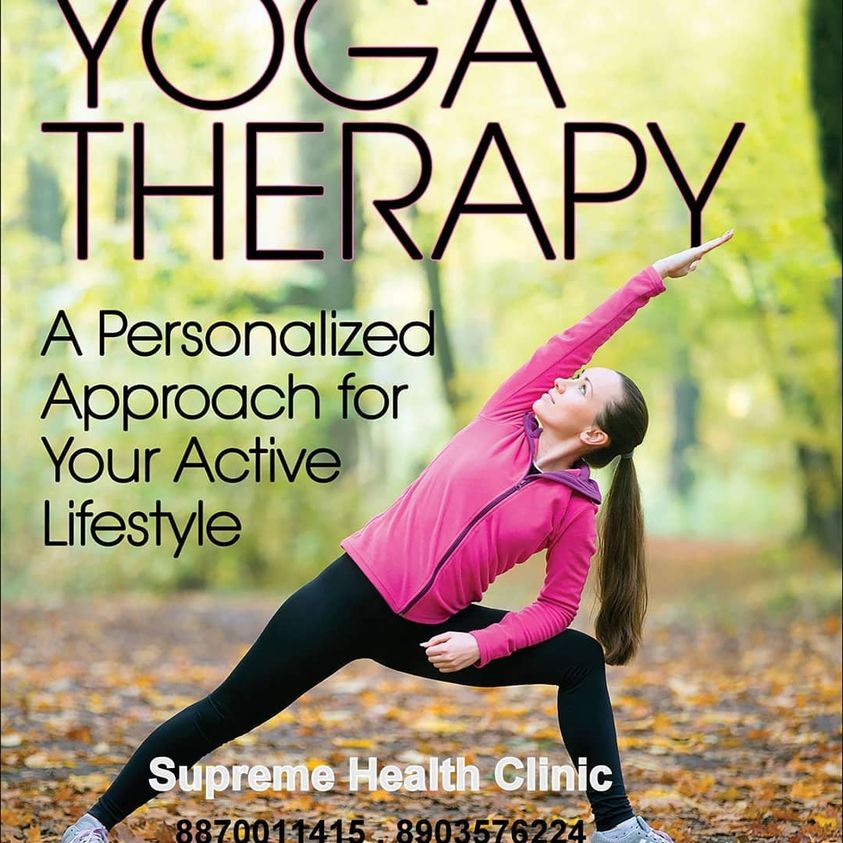
Yoga is an ancient practice that combines physical movements, breathwork, and mindfulness to improve overall health and well-being. The gentle stretches and movements involved in yoga can stimulate the digestive system, increase blood flow to the abdominal area, and promote relaxation, all of which can help to alleviate constipation. Here are some yoga poses that you can try to relieve constipation naturally:
Child’s Pose (Balasana): Start by kneeling on the floor with your toes touching and knees hip-width apart. Lower your buttocks towards your heels and extend your arms forward, resting your forehead on the mat. Stay in this pose for a few breaths, allowing your abdomen to gently press against your thighs and encouraging relaxation in your pelvic area.
Supine Wind-Relieving Pose (Pavanamuktasana): Lie on your back with your feet extended and arms by your sides. Bend your right knee and hug it towards your chest, clasping your hands just below the knee. Gently rock from side to side to massage your lower abdomen. Stay in this pose for a few breaths and then release. Repeat on the left side.
Seated Forward Bend (Paschimottanasana): Sit on the floor with your legs extended in front of you. Inhale to lengthen your spine and as you exhale, hinge forward from your hips, reaching for your feet with your hands. If you can’t reach your feet, you can use a strap or a towel to hold onto. Avoid rounding your back and focus on lengthening your spine. Stay in this pose for a few breaths, gently pressing your belly towards your thighs.
Bridge Pose (Setu Bandhasana): Lie on your back with your knees bent and feet hip-width apart. Place your arms by your sides with palms facing down. Inhale, and as you exhale, lift your hips towards the ceiling, pressing through your feet and shoulders. Engage your glutes and thighs, and keep your neck relaxed. Stay in this pose for a few breaths, and then slowly lower your hips back down to the mat.
Twisting Chair Pose (Parivrtta Utkatasana): Start in a standing position with your feet hip-width apart. Bend your knees and lower your hips into a chair pose, keeping your chest lifted and arms extended towards the ceiling. Exhale and twist your torso to the right, placing your left elbow on the outside of your right knee. Stay in this twist for a few breaths, and then return to the center. Repeat on the left side.
In addition to practicing these yoga poses, it’s important to stay hydrated, eat a fiber-rich diet, and maintain regular physical activity to support healthy digestion and prevent constipation. Remember to always listen to your body and modify the poses according to your comfort level. If you have any pre-existing medical conditions or concerns, consult your healthcare provider before starting any new exercise routine.
In conclusion, incorporating gentle yoga poses into your daily routine can be a natural and effective way to relieve constipation. These poses help to stimulate the digestive system, increase blood flow to the abdominal area, and promote relaxation, all of which can improve bowel movement and alleviate constipation.

Yoga for Blood Pressure

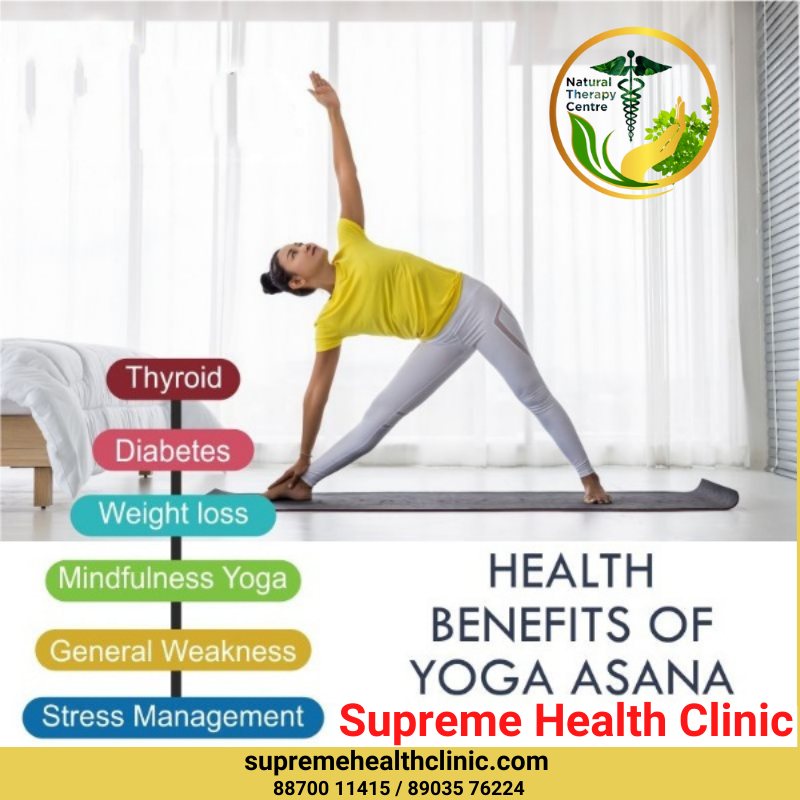
Yoga has long been known for its numerous health benefits, including reducing stress, increasing flexibility, and improving overall physical fitness. But did you know that yoga can also be a powerful tool in managing high blood pressure? According to several studies, practicing yoga regularly can help lower blood pressure, making it a great addition to your health routine. Here are some of the best yoga poses for blood pressure:

  1. Savasana (Corpse Pose)

Savasana is one of the easiest yoga poses to practice and is perfect for beginners. It involves lying flat on your back with your arms at your sides and your legs extended. This pose is great for reducing stress and promoting relaxation, which can help lower blood pressure.

  1. Sukhasana (Easy Pose)

Sukhasana is another simple pose that can help reduce stress and lower blood pressure. Sit cross-legged with your spine straight and your hands resting on your knees. Close your eyes and take slow, deep breaths. This pose is great for calming the mind and promoting relaxation.

  1. Balasana (Child’s Pose)

Balasana is a gentle forward bend that can help lower blood pressure by reducing stress and promoting relaxation. To practice this pose, kneel on the floor with your feet together and your knees apart. Lower your torso down and rest your forehead on the floor. Stretch your arms out in front of you and take slow, deep breaths.

  1. Adho Mukha Svanasana (Downward-Facing Dog Pose)

Adho Mukha Svanasana is a more active pose that can help lower blood pressure by promoting circulation and reducing stress. Start on your hands and knees with your palms flat on the floor and your fingers spread wide. Lift your hips up and back, straightening your arms and legs. Hold this pose for a few breaths and then release.

  1. Setu Bandhasana (Bridge Pose)

Setu Bandhasana is a gentle backbend that can help lower blood pressure by reducing stress and promoting circulation. To practice this pose, lie on your back with your knees bent and your feet flat on the floor. Lift your hips up and press your hands and feet into the ground. Hold this pose for a few breaths and then release.

These are just a few of the many yoga poses that can help lower blood pressure. Practicing yoga regularly can not only help manage high blood pressure, but it can also improve overall health and wellness. So why not give it a try and see how it can benefit you? Remember to always consult with your healthcare provider before starting any new exercise routine.

PCOD-Friendly Exercises to Improve Hormonal Health |

Title: PCOD-Friendly Exercises to Improve Hormonal Health: A Comprehensive Guide

Subtitle: Tips, Tricks, and Exercises to Help Women with PCOD Manage Their Hormonal Health

Polycystic Ovary Syndrome (PCOS) is a hormonal disorder that affects millions of women worldwide. It’s characterized by a range of symptoms, including irregular periods, weight gain, acne, and hair loss. One of the most effective ways to manage PCOS is through regular exercise, which can help improve insulin sensitivity, boost metabolism, and reduce inflammation. However, not all exercises are created equal when it comes to managing PCOS. In this blog, we’ll explore some PCOD-friendly exercises that can help improve hormonal health and manage the symptoms of PCOS.

  1. Cardiovascular Exercise: Cardiovascular exercise, such as walking, jogging, or cycling, can help improve insulin sensitivity and reduce inflammation, which are both essential for managing PCOS. Aim for at least 30 minutes of moderate-intensity cardiovascular exercise per day, five days a week.
  2. Strength Training: Strength training can help increase muscle mass, which can improve insulin sensitivity and boost metabolism. Aim to do strength training exercises, such as lifting weights or using resistance bands, two to three times per week.
  3. Yoga: Yoga is a low-impact exercise that can help reduce stress, improve flexibility, and regulate hormones. Certain yoga poses, such as the seated forward fold or the reclined bound angle pose, can help stimulate the ovaries and regulate menstrual cycles.
  4. High-Intensity Interval Training (HIIT): HIIT is a type of exercise that involves short bursts of intense activity followed by periods of rest. This type of exercise can help improve insulin sensitivity and boost metabolism, making it a great option for women with PCOS. However, it’s important to start slowly and gradually increase the intensity of your workouts to avoid injury.
  5. Pilates: Pilates is a low-impact exercise that focuses on core strength, flexibility, and balance. It can be particularly helpful for women with PCOS who may struggle with weight gain and insulin resistance. Pilates exercises, such as the leg circle or the plank, can help improve core strength and balance.

In addition to these exercises, it’s also important to incorporate lifestyle changes, such as eating a healthy diet and getting enough sleep, into your PCOS management plan. By combining exercise with a healthy lifestyle, you can help improve your hormonal health and manage the symptoms of PCOS.

In conclusion, PCOD-friendly exercises can be an effective tool for managing PCOS and improving hormonal health. By incorporating a combination of cardiovascular exercise, strength training, yoga, HIIT, and Pilates into your exercise routine, you can help improve insulin sensitivity, boost metabolism, and reduce inflammation. Remember to consult with your doctor before starting any new exercise program, especially if you have underlying health conditions. With a holistic approach to PCOS management, you can take control of your health and improve your quality of life.

“Yoga for Diabetes: 10 Simple Poses to Lower Blood Sugar”

Are you someone who struggles to wake up in the morning or feels sluggish and unmotivated when you do? Starting your day with a quick yoga routine could be the answer. In this post, we’ll explore a 5-minute morning yoga routine that will help you start your day feeling energized, focused, and positive.

Before we dive into the routine, it’s worth noting that yoga is a practice that has been shown to have numerous benefits for both physical and mental health. Studies have shown that regular yoga practice can improve flexibility, balance, and strength, as well as reduce stress, anxiety, and depression. So, by starting your day with yoga, you’re not only doing something good for your body, but also your mind.

Now, let’s get into the routine. This 5-minute morning yoga routine is designed to be accessible to all levels, so whether you’re a seasoned yogi or a beginner, you can give it a try.

  1. Child’s Pose (1 minute)

Start by coming onto your hands and knees. Lower your hips back toward your heels and stretch your arms out in front of you. Rest your forehead on the floor and take a few deep breaths, feeling the stretch in your back and hips.

  1. Cat-Cow Stretch (1 minute)

From child’s pose, come up onto your hands and knees again. Inhale and arch your back, lifting your head and tailbone. Exhale and round your spine, tucking your chin to your chest. Repeat this movement for 1 minute, coordinating your breath with the movement.

  1. Downward-Facing Dog (1 minute)

From cat-cow stretch, lift your hips up and back into downward-facing dog. Keep your hands shoulder-width apart and your feet hip-width apart. Press your hands and feet into the floor, feeling the stretch in your hamstrings and calves.

  1. Standing Forward Fold (1 minute)

Walk your feet to your hands and fold forward, letting your head hang heavy. Bend your knees as much as you need to in order to feel a stretch in your hamstrings. Place your hands on the floor or on your shins.

  1. Mountain Pose (1 minute)

Slowly roll up to standing, one vertebrae at a time. Stand tall with your feet hip-width apart and your arms at your sides. Take a few deep breaths, feeling grounded and centered.

That’s it – a simple, 5-minute morning yoga routine that will help you start your day on a positive note. By taking just a few minutes each morning to connect with your breath and move your body, you’ll set yourself up for a more productive, energized day. So, give it a try and see how it feels for you!

No More Varicose Vein Discomfort: Try These Exercises Now

Varicose veins are a common and often uncomfortable condition that affects many people, particularly as they age. These veins are swollen and twisted, often visible just beneath the skin’s surface, and can cause pain, discomfort, and even embarrassment. If you’re dealing with varicose veins, you’re not alone. In this post, we’ll discuss what varicose veins are, their causes, and some treatment options available.

What Are Varicose Veins?

Varicose veins are enlarged veins that typically appear in the legs and feet. They occur when the valves in the veins that help to regulate blood flow become weakened or damaged, causing blood to pool in the veins instead of flowing smoothly back to the heart. Over time, this increased pressure can cause the veins to become swollen and twisted, resulting in the appearance of varicose veins.

What Causes Varicose Veins?

There are several factors that can contribute to the development of varicose veins, including:

  • Age: As we age, the valves in our veins can become weaker, increasing the risk of varicose veins.
  • Genetics: If other family members have varicose veins, you may be more likely to develop them as well.
  • Gender: Women are more likely to develop varicose veins than men, due in part to hormonal changes that can affect the veins.
  • Pregnancy: Pregnant women are at an increased risk of developing varicose veins due to increased blood volume and pressure on the veins.
  • Obesity: Carrying excess weight can put additional pressure on the veins, increasing the risk of varicose veins.
varicose vein madurai

What Are the Treatment Options?

Fortunately, there are several treatment options available for varicose veins, including:

  • Lifestyle Changes: Making changes to your lifestyle, such as exercising regularly, losing weight, and avoiding prolonged periods of sitting or standing, can help improve circulation and reduce the risk of varicose veins.
  • Compression Stockings: Wearing compression stockings can help improve blood flow and reduce swelling in the legs and feet.
  • Sclerotherapy: This procedure involves injecting a solution into the affected veins, causing them to shrink and eventually disappear.
  • Laser Treatment: Laser treatment can be used to treat small varicose veins by directing a beam of light at the affected veins, causing them to collapse and fade over time.
  • Surgery: In more severe cases, surgery may be necessary to remove the affected veins.

If you’re dealing with varicose veins, it’s important to consult with a healthcare professional to determine the best treatment option for you.

In conclusion, varicose veins can be a bothersome condition, but there are several treatment options available to help alleviate symptoms and improve your leg health. By making lifestyle changes and seeking out medical treatment when necessary, you can improve your quality of life and feel more comfortable in your own skin.

Scroll to Top